
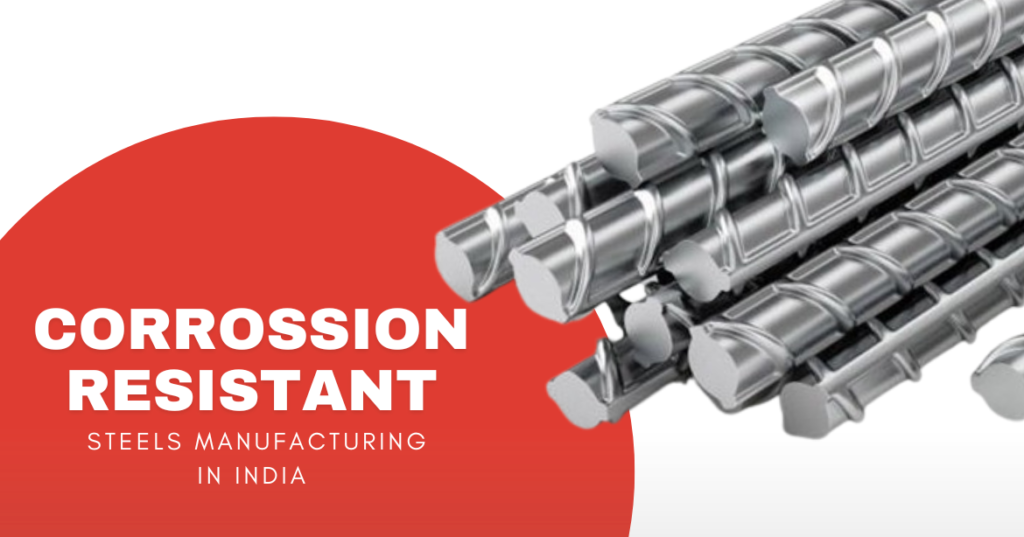
In the dynamic landscape of construction, where structures are subjected to relentless environmental challenges, the importance of corrosion-resistant steels, particularly Corrossion Resistant Steels Manufacturing in India, cannot be overstated. As we delve into the realm of primary steel manufacturers in India, let’s explore the critical role played by corrosion-resistant steels in ensuring long-term reliability. Primary steel manufacturers in India witness increasing demand for Corrossion Resistant Steels, reflecting a growing awareness of the long-term benefits among construction professionals.
Corrosion Resistance TMT Bars: A Panacea for Structural Integrity:
1. Enhanced Durability:
Corrosion resistance TMT bars, manufactured meticulously by primary steel producers, boast an extended lifespan due to their ability to withstand corrosive environments. This durability ensures the structural integrity of buildings over the long term.
2. Reduced Maintenance Costs:
The implementation of Corrosion resistance TMT bars translates into lower maintenance costs for structures. As these bars are less susceptible to corrosion, the need for frequent repairs and replacements diminishes, resulting in substantial savings.
3. Environmental Adaptability:
Corrosion resistance TMT bars are designed to thrive in diverse environmental conditions, making them ideal for a country as geographically varied as India. From coastal regions to industrial zones, these bars provide steadfast protection against corrosion.
The Manufacturing Precision of Corrosion Resistant Steels:
The primary steel manufactures are at the forefront of crafting Corrossion Resistant Steels, employing advanced techniques to enhance their efficacy. The manufacturing process involves:
1. Material Selection:
Careful selection of alloys with inherent resistance to corrosion lays the foundation for high-quality Corrossion Resistant Steels.
2. Thermo-Mechanical Treatment (TMT):
TMT, a crucial aspect of manufacturing, imparts superior strength and toughness to the steel, ensuring it can withstand both mechanical stress and corrosion.
3. Protective Coatings:
The primary steel manufactures often apply protective coatings to further enhance the corrosion resistance of their products. These coatings act as barriers, shielding the steel from environmental aggressors.
Why Corrosion Resistance Matters:
1. Longevity of Structures:
Corrosion-resistant TMT bars contribute significantly to the longevity of structures, ensuring that buildings and infrastructure projects stand resilient against the test of time.
2. Safety Assurance:
The structural stability ensured by corrosion-resistant TMT bars enhances the safety of occupants, addressing concerns related to the gradual deterioration of buildings.
The Economic Impact:
1. Cost-Efficiency Over Time:
While the initial investment in corrosion-resistant TMT bars might be slightly higher, the long-term cost-efficiency becomes evident as maintenance costs decrease, offering substantial savings.
2. Boost to Sustainable Practices:
The utilization of corrosion-resistant steels aligns with sustainable construction practices, contributing to reduced material consumption and environmental impact over the life cycle of a structure.
The Role of Primary Steel Manufacturers:
1. Quality Assurance:
The primary steel manufactures play a pivotal role in maintaining the highest standards of quality in Corrossion Resistant Steels. Their commitment to excellence ensures that construction professionals receive materials that meet or exceed industry benchmarks.
2. Continuous Research and Development:
To stay ahead in a competitive market, primary steel manufactures invest in continuous research and development. This commitment leads to the evolution of corrosion-resistant steels that not only meet current needs but also anticipate future challenges.
Environmental Impact and Sustainability:
The use of Corrosion resistance TMT bars contributes to sustainable construction practices in multiple ways:
1. Reduced Resource Consumption:
The longevity of structures built with corrosion-resistant TMT bars results in less frequent replacements, leading to reduced resource consumption over time.
2. Energy Efficiency:
Longer-lasting structures require less frequent renovations, contributing to energy efficiency by minimizing the energy-intensive processes associated with construction and demolition.
3. Recyclability:
Corrosion-resistant TMT bars are often recyclable, aligning with the principles of a circular economy. Recycling these bars at the end of their life cycle further reduces environmental impact.
Future Trends and Innovations:
Looking ahead, the future of corrosion-resistant steel manufacturing holds promising trends:
1. Innovations in Alloy Compositions:
Ongoing research focuses on developing new alloy compositions that enhance corrosion resistance even further, catering to evolving industry requirements.
2. Smart Technologies for Monitoring Corrosion:
Integration of smart technologies for real-time monitoring of corrosion and structural health ensures proactive maintenance, further extending the life of structures.
3. Customisation for Specific Environments:
Manufacturers are exploring the customisation of corrosion-resistant TMT bars to suit specific environmental conditions, providing tailored solutions for different regions and industries. In the grand tapestry of construction, where longevity and resilience are paramount, the investment in Corrosion-Resistant Steels Manufacturing in India emerges as a strategic choice. Primary steel manufacturers in India, through their precision in crafting these steels, contribute significantly to the endurance of structures, the reduction of maintenance burdens, and the promotion of sustainable building practices. As the construction industry continues to evolve, embracing corrosion-resistant materials is not just a choice; it’s an investment in a future where structures stand strong against the corrosive forces of time and environment.
Choosing the Right Corrosion-Resistant TMT Bars for Your Project
Selecting the right corrosion-resistant TMT bars is crucial to ensuring long-term structural strength, especially in environments prone to moisture, salinity, or industrial pollutants. As construction demands evolve, builders and engineers are becoming increasingly aware of how the right choice of TMT bars directly influences safety, cost-efficiency, and sustainability. Here’s what to consider when choosing the ideal corrosion-resistant reinforcement steel for your project:
1. Evaluate Environmental Exposure
Different regions and building types face varying levels of corrosion risk.
-
Coastal areas require corrosion-resistant TMT bars with enhanced protection against chloride attacks.
-
Industrial zones demand bars that withstand chemical exposure.
-
High-humidity regions benefit from bars with superior oxidation resistance.
Understanding the environment ensures you select bars tailored to the project’s corrosion challenges.
2. Check Chemical Composition & Certification
High-quality corrosion-resistant TMT bars are manufactured with controlled levels of carbon, phosphorus, sulfur, and alloying elements such as copper, chromium, and nickel.
Look for:
-
BIS certification
-
ISO standards
-
Mill test certificates (MTCs)
These certifications guarantee the bars meet the required mechanical and corrosion-resistance specifications.
3. Inspect the Rib Pattern & Bond Strength
The rib pattern on corrosion-resistant TMT bars plays a vital role in structural stability. Advanced rib designs ensure better grip with concrete, reducing the chances of slippage or cracking over time. Primary steel manufacturers who use precision German rib patterns offer enhanced structural bonding for long-lasting performance.
4. Choose Bars Manufactured with Advanced TMT Processes
The best corrosion-resistant TMT bars are produced using:
-
Quenching and self-tempering technology
-
Controlled water-cooling systems
-
Automated rolling and testing procedures
These manufacturing techniques ensure uniform hardness, superior ductility, and consistent corrosion protection.
5. Compare Long-Term Value, Not Just Cost
While some builders focus solely on upfront pricing, smart decision-making involves comparing long-term benefits.
Corrosion-resistant TMT bars:
-
Reduce repair costs
-
Improve structural longevity
-
Enhance load-bearing capacity
-
Provide a higher return on investment
Opting for premium corrosion-resistant steel ensures that your structure remains strong, safe, and maintenance-free for decades.
